Announcing our 5th Intersex Human Rights Fund grantees!

On Intersex Awareness Day, we recognize the bold and inspiring leadership of intersex activists, communities, and organizations who fight day in and day out to protect the basic human rights, bodily autonomy, physical integrity, and self-determination of intersex people everywhere. In this fifth grant cycle, we awarded $290,000 in grants to 38 groups in 31 countries.

On Intersex Awareness Day, we recognize the bold and inspiring leadership of intersex activists, communities, and organizations who fight day in and day out to protect the basic human rights, bodily autonomy, physical integrity, and self-determination of intersex people everywhere. Astraea is proud to support many of these activists through our Intersex Human Rights Fund—the first of its kind—which accounts for almost three-quarters (73%) of all grants to intersex organizations in the world.

In this fifth grant cycle, we awarded $290,000 in grants to 38 groups in 31 countries. 31 of those grants were renewals to groups we are committed to supporting over the long-term, while 7 were new grants to organizations we are delighted to build partnerships with! This year several proposals came from more under-represented regions in terms of intersex funding—Africa, Asia, and Eastern Europe—demonstrating the growth of grassroots intersex human rights movement-building around the world.

We are excited to see new groups forming all over the world, many as a result of the connections built through incredible activist-led regional movement convenings. Earlier this year, the first African Intersex regional platform—known as the African Intersex Movement—was officially announced during an Africa Intersex Meeting led entirely by intersex activists, with support from Astraea.

Intersex activists are continuing to advocate against the pathologization of intersex bodies and to address issues of violence, social exclusion, and lack of access to quality health care and education. The global intersex movement is calling for protections from human rights violations experienced by intersex children, adolescents and adults across the world.

Some ways in which our grantee partners are leading the charge towards advancing intersex justice are by:

    • Building the leadership of intersex people of color: The Intersex Justice Project (IJP) (Georgia, US), a new grantee partner this year, was formed in 2016 in response to a visible lack of intersex people of color in leadership in the US. In 2017, they launched their #EndIntersexSurgery campaign, protesting the Chicago Lurie Children’s Hospital’s discriminatory and harmful medical practices against intersex children. IJP is dedicated to fighting for the rights of intersex people of color in the U.S., and building alliances with intersex people of color nationally and globally.
    • Creating safe spaces which are inclusive of non-urban intersex communities and indigenous traditions: Based in Tamil Nadu, India, Srishti Madurai’s main mission is to build safe, supportive spaces for gender/sex minorities and their loved ones. Based outside of a major city, Srishti Madurai is committed to bridging the gap between urban and non-urban LGBTQIA+ movements, and ensuring that they are not restricted only to upper-class English speaking members. They also incorporate indigenous Indian traditions in their work, noting that pre-colonial era India was more open to gender and sex minorities. In 2019, Srishti’s founder Gopi Shankar’s work and activism informed a landmark legal victory in which the Madras High Court in Tamil Nadu recognized the marriage rights of trans and intersex women and directed the state to pass a government order banning sex-selective surgeries.
    • Centering intersectionality as a core strategy for fighting oppression: XY Spectrum (Belgrade, Serbia) was founded by trans and intersex activists and is the first organization in Serbia working on intersex rights. They challenge multiple forms of discrimination and work across all gender identities and sexual orientations. XY’s core focus is strengthening trans, intersex, and nonbinary people’s capacities to overcome fear, isolation and trauma through support groups, psycho-social counseling, and establishing better legal, administrative and institutional policies for intersex and trans people in Serbia.

We’re so honored to be supporting these amazing activists! Join us in celebrating their work and read more about it and the work of this global movement, in the links below.


Intersex Fund Grantee Partners*

*Note: We do not publicize a number of our courageous grantee partners because of security threats they face in their local contexts, so organizations may be missing from this list.

Bilitis Resource Center Bulgaria
Bulgaria

Brújula Intersexual
Mexico

Collectif Intersexes et Allié-e-s (CIA)
France

Campaign for Change
Nepal

DeGenderation Confederation
Vietnam

Egalite Intersex Ukraine
Ukraine

Interaction – Association Suisse pour les Intersexes
Switzerland

Intersex and Faith
United States

Intersex Asia Network
Regional

Intersex Community of Zimbabwe
Zimbabwe

Intersex Danmark
Denmark

Intersex Human Rights Australia
Australia

Intersex Island
Iceland

Intersex Justice Project
United States

Intersex Peer Support Australia (IPSA)
Australia

Intersex Society of Zambia (ISSZ)
Zambia

Intersex South Africa – ISSA
South Africa

Intersex Trust Aotearoa New Zealand (ITANZ)
New Zealand

IntersexUK
United Kingdom

Ivy Foundation
Malawi

Magda Rakita
Poland

Mulabi – Espacio Latinoamericano de Sexualidades y Derechos
Costa Rica

Organisation Intersex International Europe (OII Europe)
Germany

Organisation Intersex International Germany (OII Deutschland)
Germany

Organization Intersex International-Chinese (Oii-Chinese)
Taiwan

Rainbow Identity Association
Botswana

Srishti Madurai LGBTQIA+ Student Volunteer Collective
India

Trans Aid
Croatia

Trans Smart Trust
Zimbabwe

Tzk’at – Red de Sanadoras Ancestrales del Feminismo Comunitario
Guatemala

Verein Intersexuelle Menschen Österreich (VIMÖ)
Austria

Vivir y Ser Intersex
Mexico

XY Spectrum
Serbia

By supporting Astraea, you are creating ecosystems of resistance that are smart, effective, and unique. Join us!

Donate

Announcing Our 2019 Acey Awardees!

Astraea owes its existence and vision to the incredible, bold legacy and work of the lesbian, queer, and trans elders who paved the way for us. Today, we are delighted to uplift that legacy by announcing the awardees of the 2nd Acey Social Justice Feminist Award. 

Astraea owes its existence and vision to the incredible, bold legacy and work of the lesbian, queer, and trans elders who paved the way for us. Today, we are delighted to uplift that legacy by announcing the awardees of the 2nd Acey Social Justice Feminist Award. 

The Acey Social Justice Feminist Award was launched in 2017 as a way for Astraea to honor the lesbian, queer, and trans elders over the age of 62 whose activism and contributions to their communities paved the way for way for new generations of organizers working across the U.S. and without whom we would not be here today. 

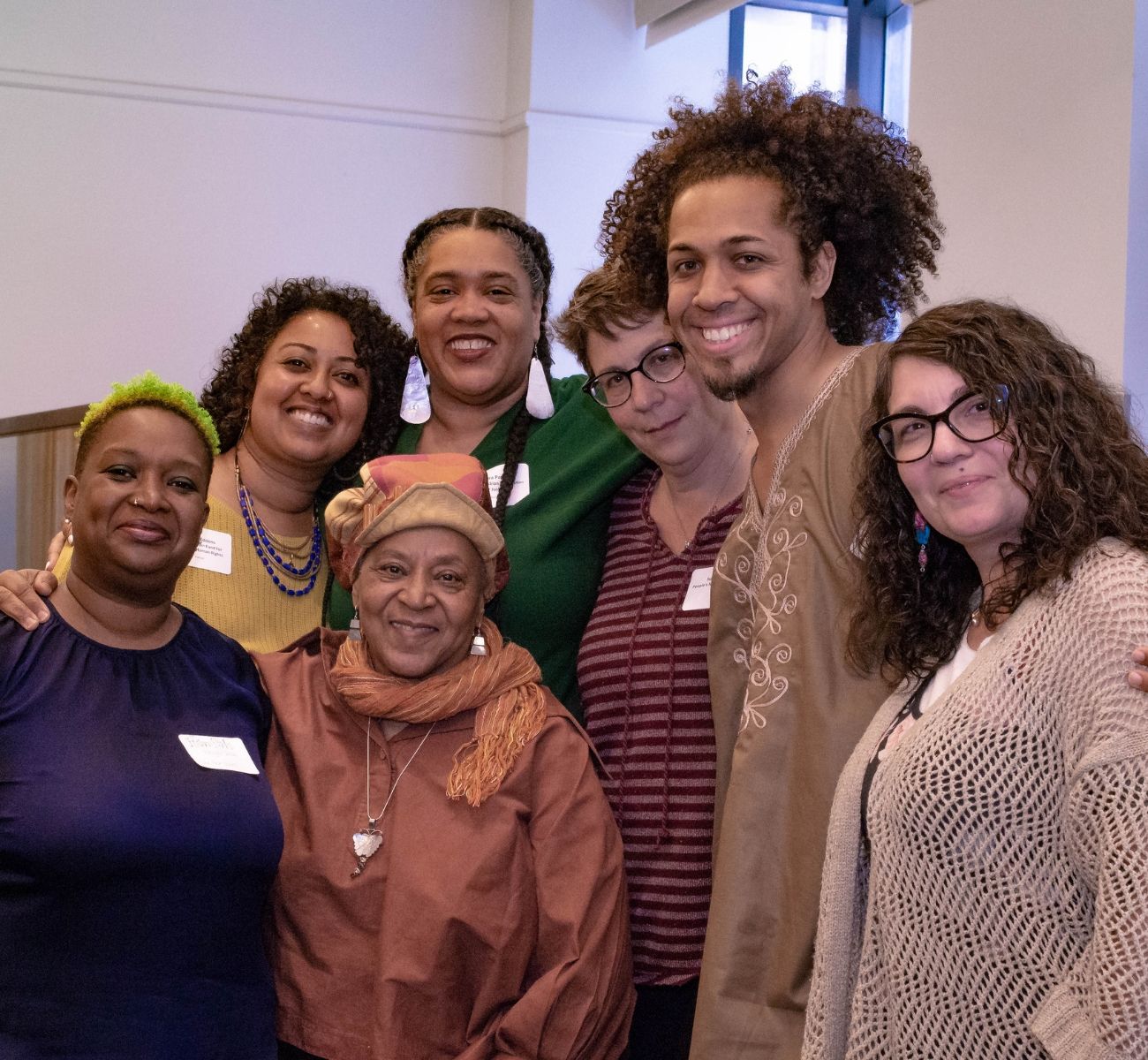
Please join us in congratulating this year’s four awardees: Julia Bennett, Brenda Joyce Crawford, Miss Major Griffin-Gracy, and Norma Timbang. 

Julia Bennett is a healer based in Brooklyn, New York who has provided critical healing support to marginalized People of Color communities in New York City for over 30 years. Brenda Joyce Crawford is an unapologetic butch woman who has been in the thick of social justice work for over five decades; today she lives in Vallejo, California and her activism is based around cannabis justice for seniors. Miss Major Griffin-Gracy is a veteran of the historic “Stonewall Rebellion” and a survivor of Attica State Prison, a former sex worker, an elder, and a community leader and human rights activist. Norma Timbang is a lifelong queer activist whose work is well-known across the Pacific Northwest, where she is from. She has been deeply involved in domestic violence and intimate partner violence work, feminist anti-violence work, and disability justice movements. 

The Acey Award recognizes lesbian and trans women of color over the age of 62 who have made under-recognized contributions to our movements, and often have unmet financial needs as they age. The Award was created in honor of Astraea’s Executive Director Emerita, Katherine Acey, who led Astraea for 23 years and is herself a fierce advocate for queer, lesbian, and trans elders, particularly those who are less visible than others.

“This award is an opportunity for us to say to these incredible activist elders: We see you. We love you. We deeply appreciate what you’ve done and what you continue to do,” Acey said.

Join us in celebrating the powerful, lifelong activism of our awardees!

In Solidarity,

Namita Chad
Associate Director of Programs

Meet the 2019 Acey Awardees

Julia Bennett

Julia Bennett is a Board certified licensed acupuncturist trained in both Chinese and Japanese acupuncture. Her long standing passion is community health and the health concerns of women, women who have tested positive for HIV and AIDS, maternity, infant, and reproductive justice for all bodies. [Read more]

Brenda Joyce Crawford

Brenda Joyce Crawford has been in the thick of social justice work for over five decades. She’s an unapologetic butch woman who comes from a blue collar working class background in the U.S. South. [Read more]

Miss Major Griffin-Gracy

Miss Major is a veteran of the historic “Stonewall Rebellion” and a survivor of Attica State Prison, a former sex worker, an elder, and a community leader and human rights activist. [Read more]

Norma Timbang

Norma Timbang provides private consulting and facilitation toward transformative and transitional processes for human and health services, policy advocacy, grassroots, academic, community, and social justice organizations. [Read more]

A conversation with Katherine Acey and Namita Chad

A conversation on the Acey Social Justice Feminist Award with Astraea’s very own Katherine Acey, Executive Director Emeritus, and Namita Chad, Associate Director of Programs.

A conversation on the Acey Social Justice Feminist Award with Astraea’s very own Katherine Acey, Executive Director Emeritus, and Namita Chad, Associate Director of Programs

Namita Chad (NC): Katherine, to start with, can you tell us what the Acey Social Justice Feminist Award is?

Katherine Acey (KA): The Acey Social Justice Feminist Award was launched in 2017 and honors lesbian, queer and trans women of color in the United States who are at least 62 years, and who have made significant contributions to our movements, which have often gone unrecognized.

NC: And how did the award come to be?

KA: So Astraea had been looking for a way to support the LGBTQ elders in communities across the United States who face distinct financial barriers, and we decided on this award as a way to uplift the contributions of some of those individuals, and raise awareness about their struggles. 

We wanted to recognize that so many of them have been activists within and across our movements, but have not always been as visible as others. Several have worked as activists throughout their lives, often in low-paying jobs with not a lot of benefits. So the idea was to identify those people, and also to make a monetary award in recognition of their contribution that could be used in any way; they could buy a new computer with it or take a vacation, or whatever. It was really to give them an opportunity to take care of themselves for a moment.

So the award is really a way to amplify these individuals and recognize the pathways they have created for others who have come after them. Something I’ve really been struck by both times we’ve had the award, is that there are always a couple of nominees I haven’t heard of myself. It just reaffirms the fact that so many activists are out there tirelessly, but their work isn’t seen.

KA: Namita, as someone who has been at Astraea for a long time and knows the movements well, what do you think is the importance of this award?

NC: For me, the award is so important because it recognizes the work and legacy of our lesbian, queer, and trans elders, who have really paved the way for new generations of organizers and activists working across the country.

It’s also really connected to what Astraea was born to do, which is to recognize the leadership of lesbian and trans women of color, who have been leaders in all kinds of movements over generations – feminist and queer movements, responses to the AIDS crisis, fighting to end wars abroad, fighting to end intimate partner violence, domestic violence, state violence, incarceration. These are people who have been insisting on radical inclusion for a long time now, and creating radical openings for people whose voices have not been heard.

I really hope that with this award comes more visibility for the brilliant and bold leadership of these elders. And I hope that with that visibility, that younger activists will gain more access to their stories and experiences and can engage with and learn from them.

KA: And what do you feel is the political significance of the award?

NC: You know this award really highlights the political state we’re in today where LGBTQ elders but specifically lesbian, queer, and trans women of color elders are still so often disproportionately discriminated against – whether in terms of access to healthcare, housing, or support networks – and face lifelong barriers to financial security and resources. LGBTQ elders of color remain largely invisible within frameworks of most aging services, research, and public policy initiatives, and across organizations across the country, even LGBTQ and feminist organizations.

It’s a scary political moment in the US and globally, as we’re watching the right consolidate power. We’re seeing so many of the hard fought gains of the past from rights to services being dismantled and fought against. There’s so much we can learn from the contexts and struggles of the past, so the need for younger activists to be connected to elders and for there to be intergenerational strategy and dialogue, is so critical.

NC: Katherine, finally, what kind of impact do you think this award might have on the awardees?

You know, in the early days of Astraea, when our grants were very small, they didn’t necessarily sustain an organization. But the fact that a group of peers recognized that organization and its people, was affirming and helped keep them going.

So I would like to think these individuals would feel similarly. I hope it affirms and says, “We see you. We love you. We deeply appreciate what you’ve done and what you continue to do.”

Today’s landmark SCOTUS hearings on LGBT rights

Today, as many of us go about our Tuesdays, the United States Supreme Court is hearing oral arguments in three LGBT cases for the first time since President Trump nominated two justices to the court, including Justice Kavanaugh.

Photo credit: Elainiel Baldwin and Southerners on New Ground (SONG)

Today, the United States Supreme Court is hearing oral arguments in three LGBT cases for the first time since the President nominated two justices to the court, including Justice Kavanaugh. The specific question at stake in all three cases is whether it should be legal to fire employees on the basis of sexual orientation or gender identity. However, this is also symptomatic of a much larger, well-funded global attack on LGBTQI and women’s rights more widely.

These cases—Altitude Express Inc. v. Zarda, Bostock v. Clayton County, and R.G. & G.R. Harris Funeral Homes v. EEOC—all concern protection from discrimination based on sex under Title VII of the Civil Rights Act of 1964. In the Zarda and Bostock cases, Donald Zarda and Gerald Bostock—two gay men—were fired from their jobs because of their sexual orientation. In Harris Funeral Homes, Aimee Stephens—a trans woman—was fired two weeks after telling her boss she is a woman. Her boss has claimed that he would be violating “God’s Commands” by allowing Stephens “to deny [her] sex while acting as a representative of [the] organization.”

The Supreme Court’s decisions on these cases will not be released until well into 2020, but they are critical regardless of their outcomes. For one, the very existence of the Harris Funeral Homes case validates right wing groups’ desire to reject and erase the existence of trans people altogether. In briefs filed ahead of oral arguments, the Alliance Defending Freedom (ADF)—the group representing Thomas Rost of Harris Funeral Homes—did not recognize Aimee Stephens as a woman, and in fact specifically avoided using her correct pronouns. The ADF is at the forefront of the conservative legal battle to use religious exemptions to roll-back women’s and LGBTQI rights.

If the Supreme Court rules in favor of Harris Funeral Homes, it will also indicate that the law allows employers to fire an individual in the United States simply for being trans. As Chase Strangio—Deputy Director for Transgender Justice at the ACLU and part of the counsel in the Harris Funeral Homes case—said on Twitter, “the consequences of a ruling against the LGBTQ employees will be far reaching,” and will begin the unraveling of decades of sex discrimination advances.

Right wing groups including the ADF are also using well-honed strategies of division, and they frequently use misleading rhetoric to intentionally pitt women’s rights activists against LGBTQI activists. In this case, the ADF has argued that should Stephens prevail, “equal opportunities and bodily privacy protections for women and girls will be lost.” This attempt to set women’s rights against trans, LGBQ, and intersex rights is both dangerous and false. Advancements in sex-based discrimination protections protect all, regardless of gender and sexual orientation. A decision against Stephens would suggest that anyone who does not conform to rigid, retrograde gender norms—regardless of gender identity or sexual orientation—is putting their employment on the line.

The very fact that three cases in 2019 ask whether it is lawful to fire someone simply for being LGBTQI, suggests that many believe LGBTQI people should not be entitled to the same protections against discrimination as their cisgender and/or heterosexual counterparts. This sentiment is not new. In the U.S. and in regions across the world, growing far-right anti-gender movements, which we wrote about recently, are strategically weaponizing conservative rhetoric that would have people believe that we are the enemy.

These ‘gender ideology’ movements are part of a growing, well-coordinated, funded global movement which has been designed to control our communities by restricting the rights and bodily autonomy of LGBTQI communities, women, and people of color. Their intent is to “depict efforts to expand rights for women and LGBTQI people as radical, dangerous impositions designed to eliminate all sex differences.”

The current Administration’s own ‘gender ideology’ agenda is evidenced through its growing list of efforts to rollback rights and protections for women and LGBTQI communities by proposing a ‘legal’ definition of sex based on gender assigned at birth, thereby disregarding individuals’ gender identities and expressions; banning transgender people from serving in the military; and restricting federal funding for health clinics that provide abortion referrals, just to name a few. These relentless attacks denying protection to women and LGBTQI communities are intentional and highly strategic. They are also creating the conditions for increased violence and hate against LGBTQI, Black, Brown, and migrant communities. This year alone, 19 trans women of color have been murdered around the country as trans rights continue to be stripped away in multiple policy areas.

While these cases have only begun to attract mainstream media attention over the last couple of weeks, they are being cited as the single most important set of explicitly LGBT cases to reach the Supreme Court because they encompass both sexual orientation and gender identity, and so potentially impact the livelihoods of all LGBTQI people and women in the United States. That they have even made it to the Supreme Court is evidence of the growing tide of discrimination against women and LGBTQI people. These rulings directly address discrimination based on sex and will also have implications for sex-based discrimination protections for all women more generally, who regularly face workplace discriminations.

Over forty years ago, Astraea’s founding mothers understood that the struggle for women’s rights was and is intimately linked to the struggle for LGBTQI rights. Then and now, these struggles and the threats against them have been global in nature, and activists around the world continue to resist far-right gender ideology movements as a matter of survival. These are not just battles taking place “over there,” but here in our own backyards, in the United States legal system and in our ongoing culture wars.

What we have learned from movements in other countries is to push back against these anti-gender, right-wing forces, women’s rights and LGBTQI rights movements must come together. Our struggles are inherently connected, and connection and solidarity will fortify us to combat the attacks on all our bodies, lives, and freedoms. Astraea has always prioritized shifting power and resources to grassroots feminist, LGBTQI movements working in solidarity all over the world, understanding that it is through resourcing and working at the very junctions that abnegate power, freedom, and rights, that we can support movements to bring about the most meaningful, and lasting change. After all, there is no freedom for some at the expense of others.

In Solidarity,

Sandy Nathan
Interim Executive Director


Donate to Astraea and support the grassroots feminist and LGBTQI activists working in solidarity to fight hate and discrimination against our communities.

Donate

Announcing our ‘Women’s Voice and Leadership – Caribbean’ Partnership with The Equality Fund

Astraea and The Equality Fund (formerly The MATCH International Women’s Fund) are pleased to announce they’ll be co-leading a Women’s Voice and Leadership program in the Caribbean to provide women’s rights organizations and networks with direct funding that will help reduce their funding gap and advance gender equality and women’s rights in developing countries.

In June 2017, the Government of Canada launched the Women’s Voice and Leadership (WVL) Program as part of its Feminist International Assistance Policy, to provide women’s rights organizations and networks with direct funding that will help reduce their funding gap and advance gender equality and women’s rights in developing countries.

We are pleased to announce that in the Caribbean, the initiative is being implemented by The Equality Fund (formerly The MATCH International Women’s Fund), in partnership with The Astraea Lesbian Foundation for Justice (Astraea). The Equality Fund is Canada’s sole global fund for women, girls, and transgender people. This five-year (2019-2024) initiative will be implemented alongside women’s rights organizations and LBTIQ groups investing in their strategies and priorities for change and strengthening the women’s movement as a whole in the Caribbean. The initiative seeks to provide support towards the diverse challenges faced in the region, and towards building sustainable and well-resourced feminist and gender justice movements.

We are currently accepting Letters of Interest for the WVL – Caribbean project. Find out more:

Read the Call for Proposals


Some of the challenges Caribbean women’s rights organizations and LBTIQ groups face while trying to address critical issues include gender-based violence and sexual and reproductive health rights. In most Caribbean countries, poverty is higher among women than men, which is particularly evident among women-headed households. Lesbian, bisexual, and trans* (LBT) women also face significant discrimination and stigma. One of the main challenges faced by many women’s rights and LBTIQ organizations and groups is the lack of predictable funding and reliance on volunteer work.

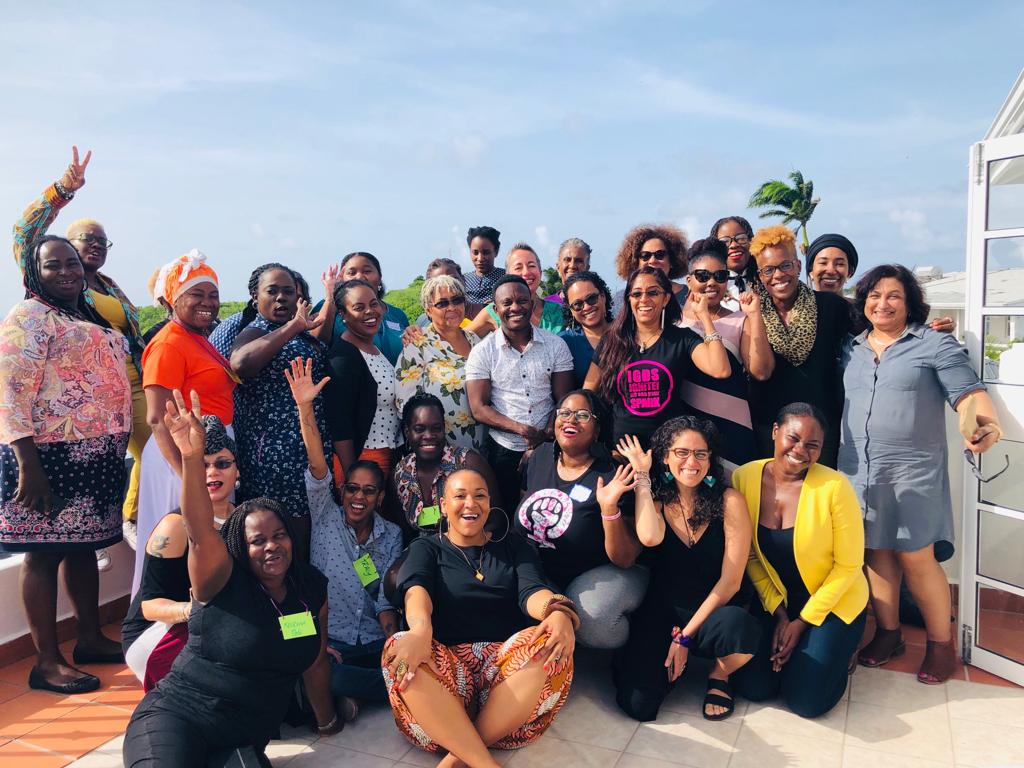
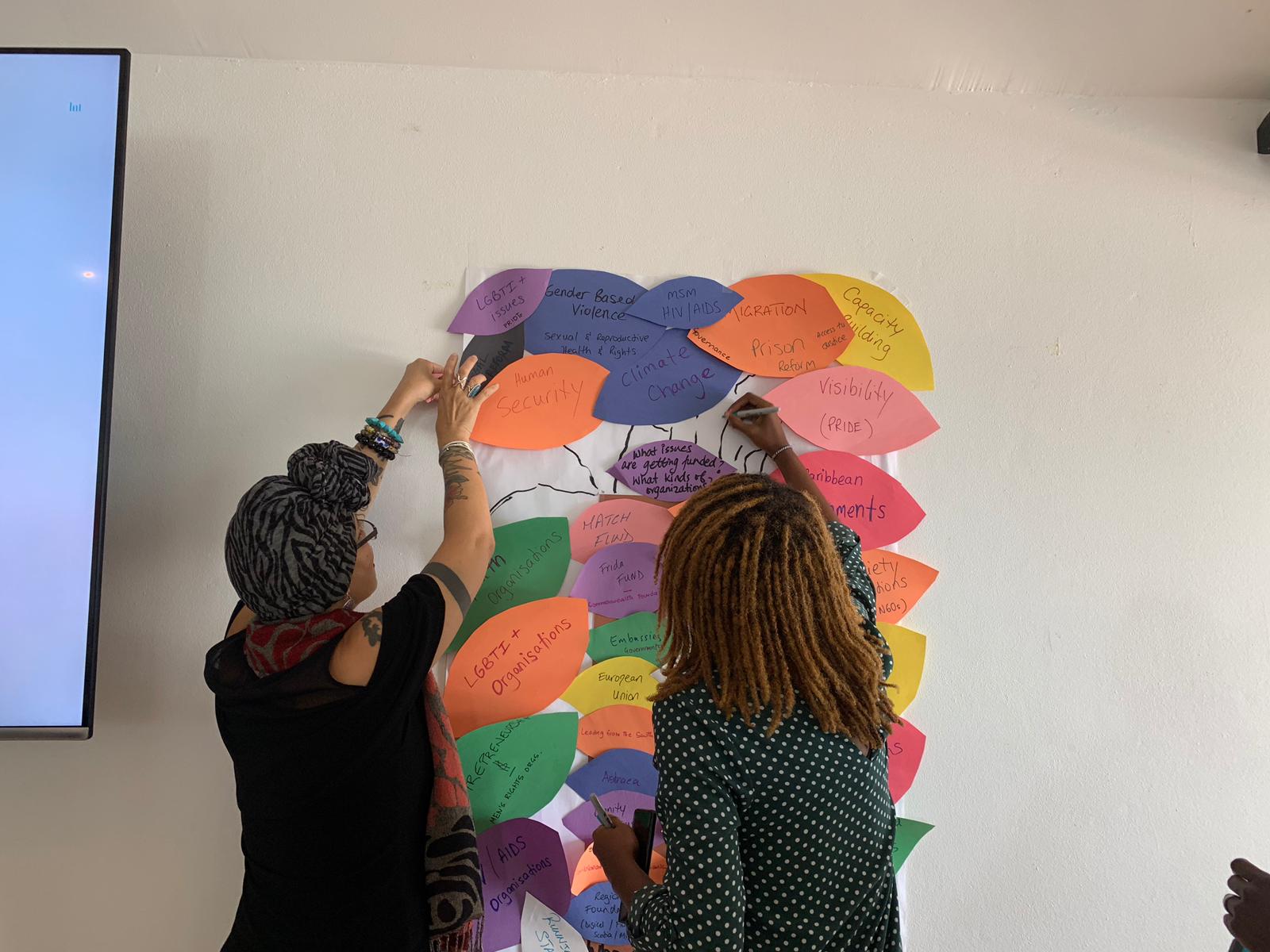
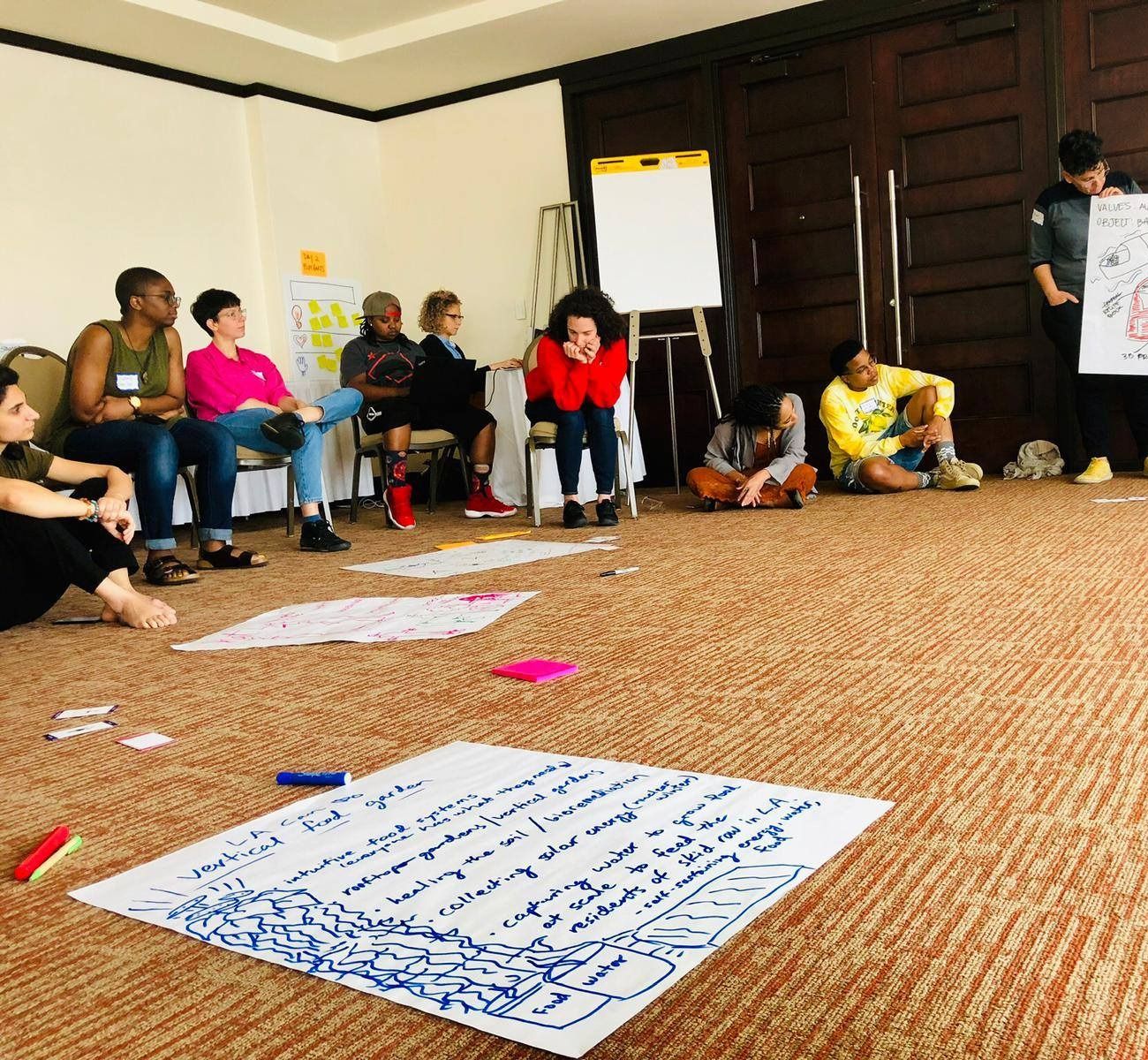
Photo: Participants at the June 2019 convening map out the state of funding for women’s and LGBTIQ groups in the Caribbean

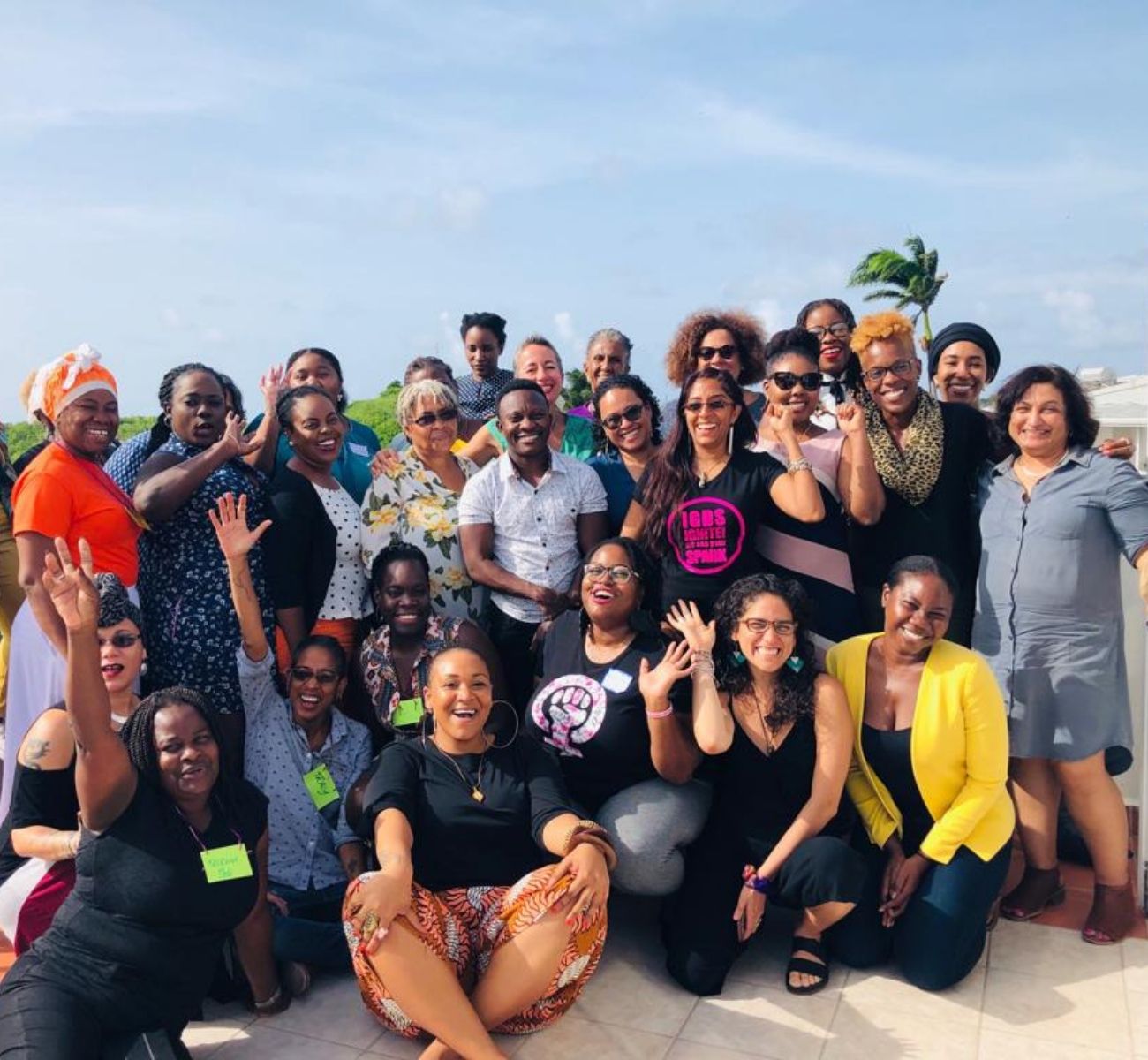
In June 2019, The Equality Fund and Astraea co-hosted a two-day consultation meeting in Antigua to kick-off this new partnership. We gathered 25 partners and representatives from women’s organizations and LBTIQ groups from around the region to explore how the WVL – Caribbean project can center and respond to movement priorities in the region, inform the project design, and to examine the funding landscape—as a means to strategize around the long-term sustainability of feminist organizing and movement building in the region.

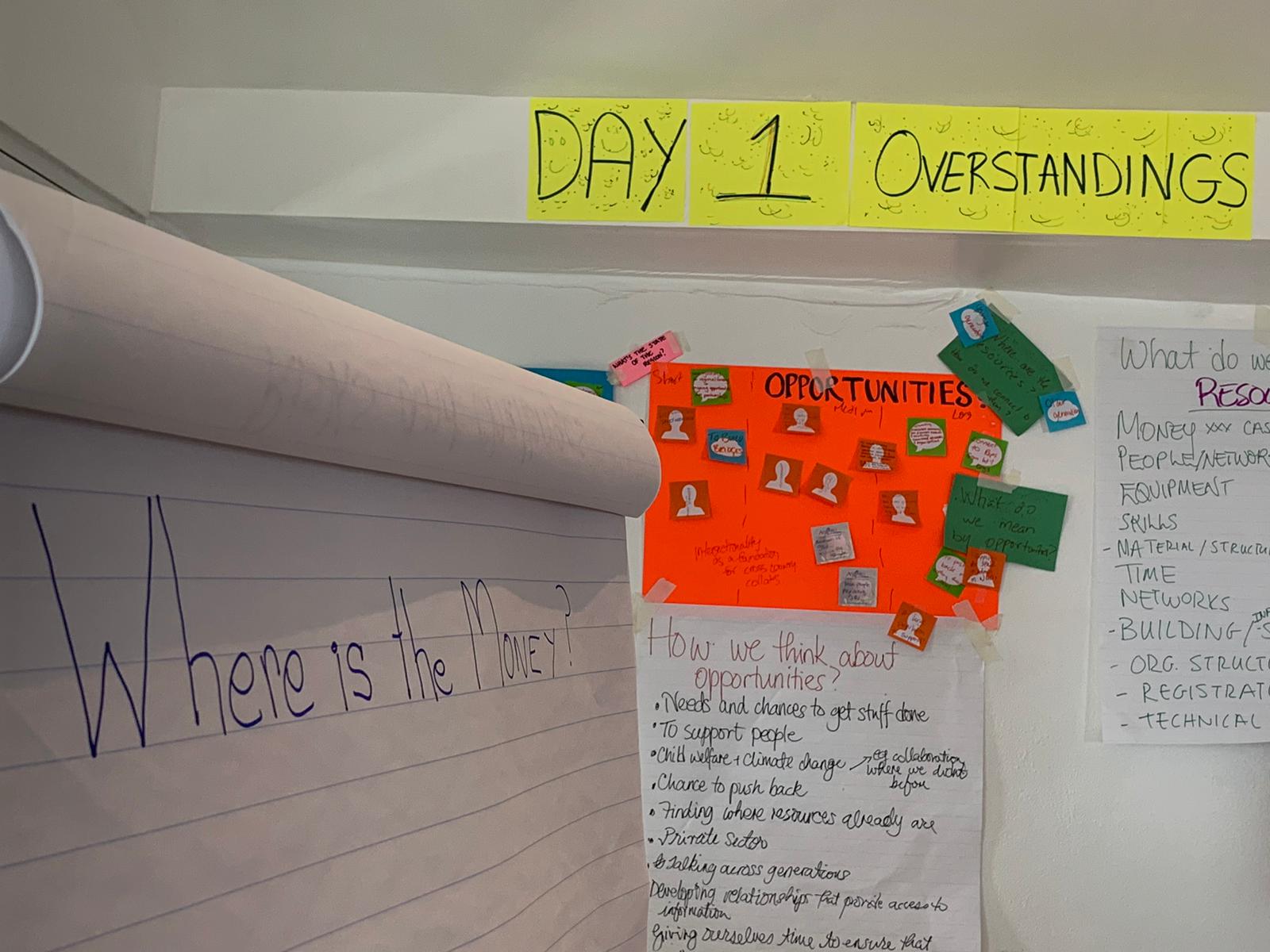
Some key learnings from the meeting emphasized supporting Caribbean feminist movement building by increasing access to key resources for women’s rights & LBTIQ organizations, supporting regional feminist advocacy networks and alliances, and supporting capacity building opportunities that are grounded in the movement’s priorities.

Photo: Notes from the June 2019 convening in Antigua

To date, Astraea has granted nearly $1M over almost 20 years of funding in the Caribbean. We are one of only a few progressive funders working in the region, and the only foundation that offers core support for Caribbean grassroots LGBTIQ organizing.

We are thrilled to be strategizing with The Equality Fund and feminist Caribbean networks to build power for LBTIQ and women’s rights groups in the region!

The Astraea Crew Keeps on Growing!

Over the last few months, we’ve been thrilled to add three new dynamic staff members to the Astraea team to support our mission of shifting power and resources to incredible LGBTQI movements around the world!

Over the last few months, we’ve been thrilled to add some brilliant, dynamic staff members to the Astraea team to support our mission of shifting power and resources to incredible LGBTQI movements around the world! We are delighted to announce that Dondy Marie Moreland will lead our Development Individual Giving and Special Events portfolio with her innovative, comprehensive, and outcome-oriented development plans. Kyli Kleven is an incredible addition to our grants management team, bringing her eclectic experience in data manipulation, development, and dance!

Meet our new staff members


Dondy Marie Moreland
Director of Individual Giving & Special Events

Dondy Marie Moreland is our new Director of Individual Giving & Special Events. She comes to Astraea with over 10 years of grassroots fundraising experience, extensive training experience, and a deep desire to challenge systemic oppression and bring liberation to LGBTQI communities through providing value-aligned resources. [Read More]

–

“Never have I had such alignment between my personal and professional life as I do at Astraea. And it’s inspiring to work amongst so many talented LGBTQ+ changemakers— all are deeply committed to the liberation of our people, being good thought partners in philanthropy and in the field, and mobilizing resources that make the difference. It’s not only our workplace; it’s our vocation.” — Dondy Marie

Kyli Kleven
Grants Management Associate

Kyli Kleven is Astraea’s amazing Grants Management Associate whose background is in grassroots social justice movements, art, and dance. In addition to her work supporting grantmaking at Astraea, she makes and performs dance-based work throughout NYC and abroad. [Read More]

–

“It’s incredible to be a part of such a passionate team. I am so grateful to be in this position, working with information to make our program teams’ lives easier, and moving money and resources to our incredible grantee partners!” – Kyli

In case you missed it…

Sandy Nathan
Interim Executive Director

Last week, we were also joined by our new Interim Executive Director, Sandy Nathan, who will work closely with board and staff for the next nine to twelve months on strengthening our organizational culture and infrastructure. Read more about Sandy and a Q&A with her here.


It is such a joy to welcome these three brilliant team members and to watch the Astraea team grow!

Donate


Two New Reports on the States of Intersex and Trans Funding

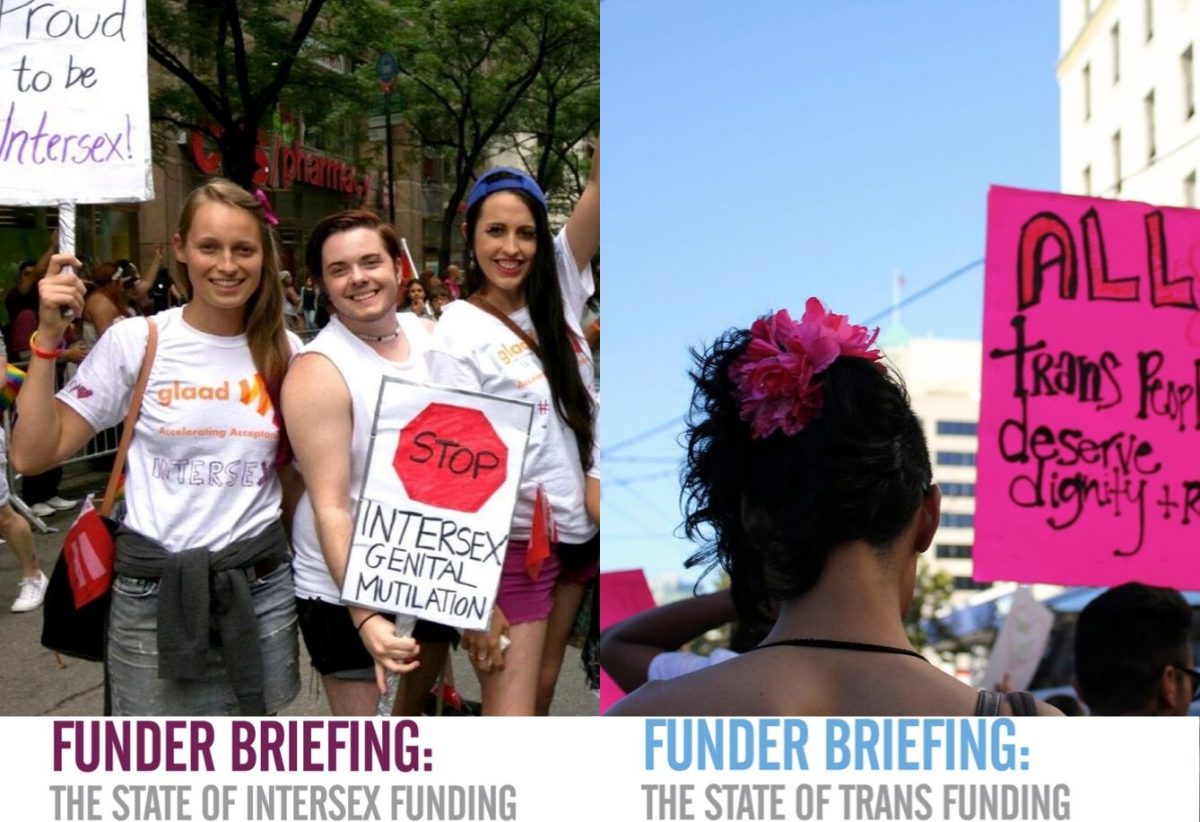
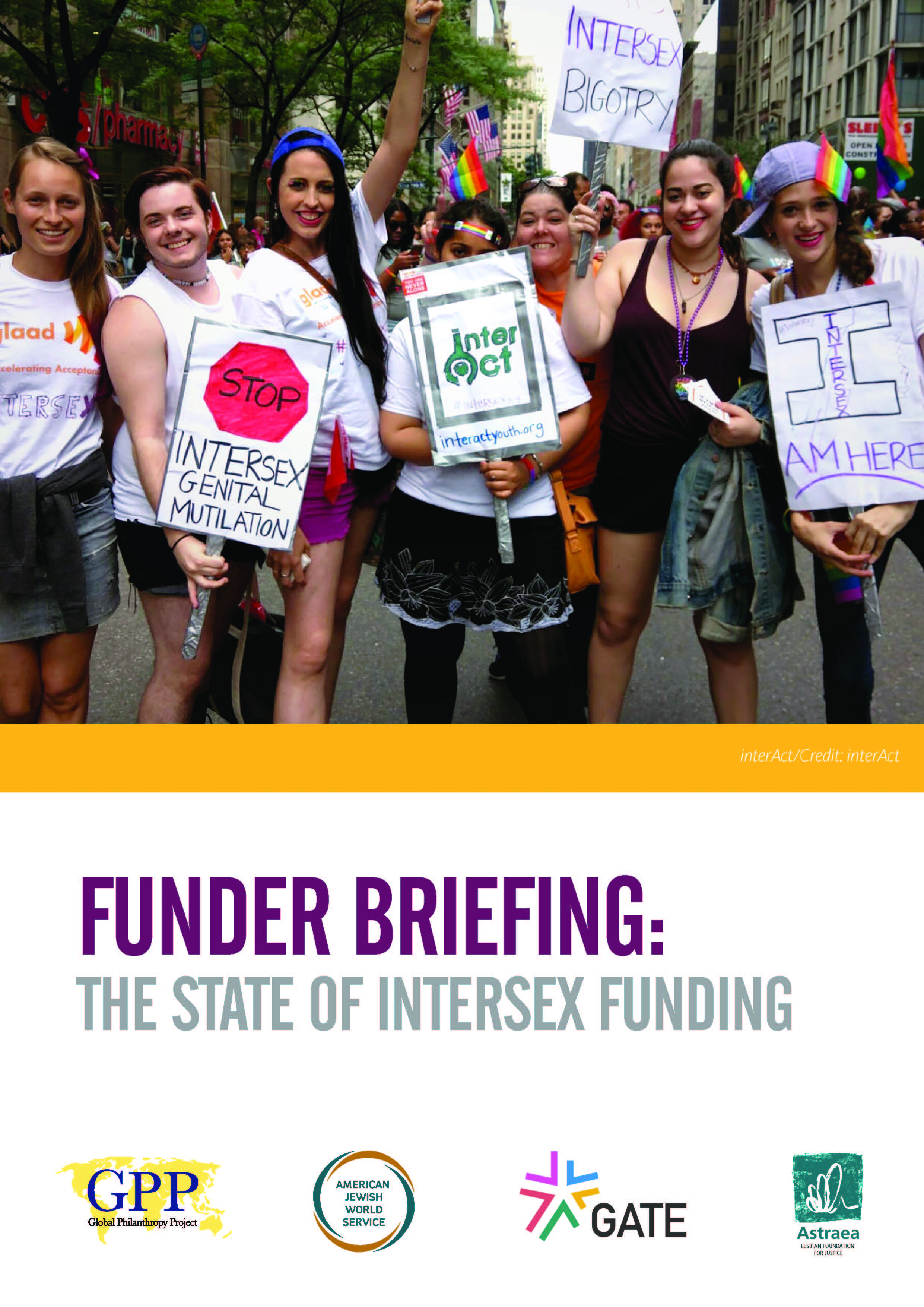
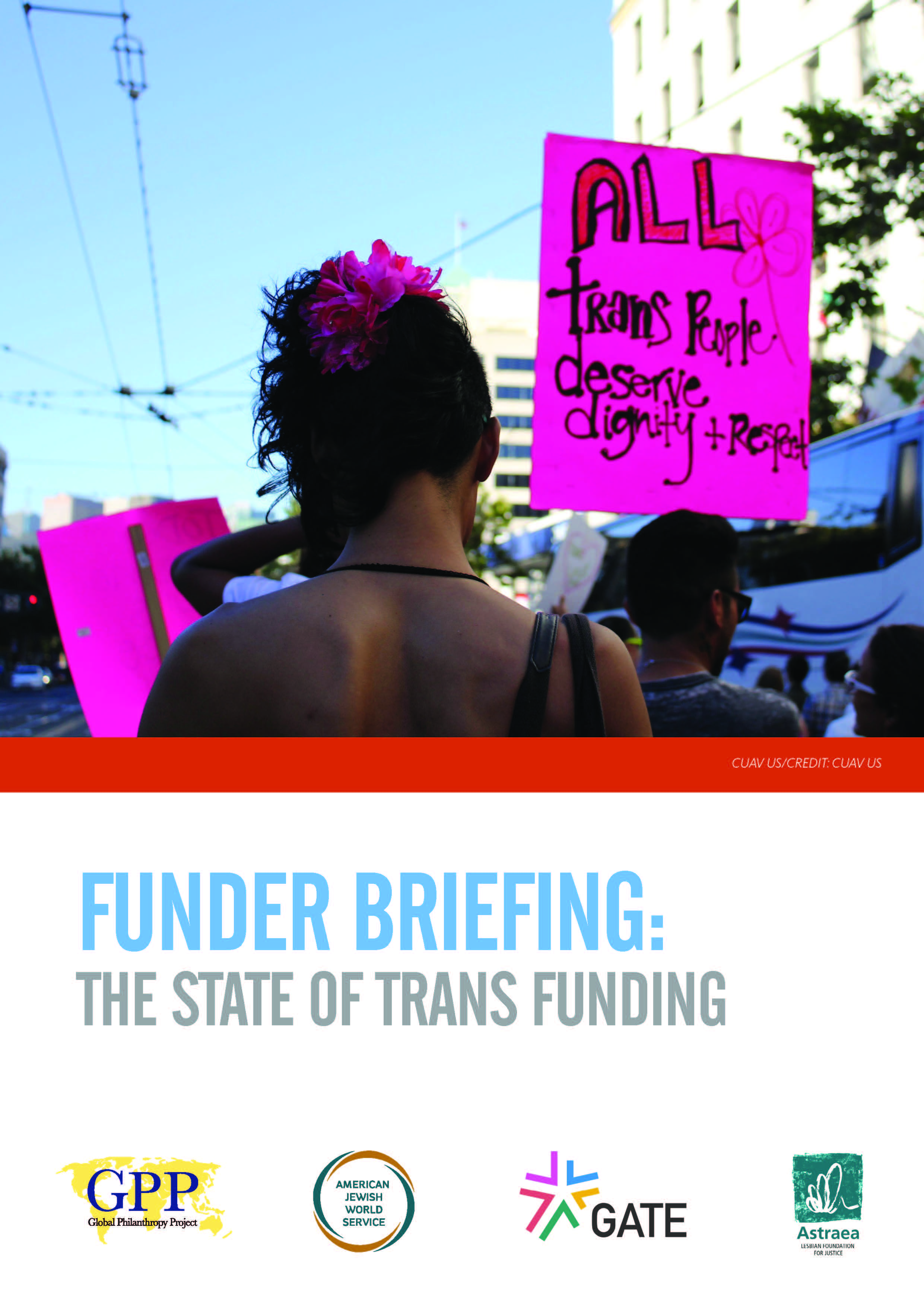
We’re pleased to share The State of Intersex Funding and The State of Trans Funding, two new briefs from the Global Philanthropy Project, American Jewish World Service (AJWS), Astraea Lesbian Foundation for Justice (Astraea) and Global Action for Trans Equality (GATE).

We’re pleased to share The State of Intersex Funding and The State of Trans Funding, two new briefs from the Global Philanthropy Project (GPP), American Jewish World Service (AJWS), Astraea Lesbian Foundation for Justice (Astraea) and Global Action for Trans Equality (GATE). 

These briefs are based on a comparative analysis of data from two reports – The State of Trans Organizing (2nd Edition) and The State of Intersex Organizing (2nd Edition), produced by American Jewish World Service, Astraea Lesbian Foundation for Justice and Global Action for Trans Equality and the 2015-2016 Global Resources Report: Government and Philanthropic Support for Lesbian, Gay, Bisexual, Transgender, and Intersex Communities published by the Global Philanthropy Project and Funders for LGBTQ Issues.

By comparing these reports, new insights on the funding challenges and opportunities facing the global intersex and trans movements have emerged. 

Intersex funding is an incredibly small percentage of total global LGBTI grantmaking, which means that intersex organizations are working with little financial resources and few if any paid staff. 

  • Less than 10% of funders of global LGBTI issues supported intersex organizations in 2015–16 and total funding to intersex organizations accounted for only 0.29% of all global funding on LGBTI issues in those two years
  • In 2016, more than three-quarters of intersex groups had an annual budget of less than US$10,000 

Trans led organizations receive smaller grants compared to other types of organizations that are funded on LGBTI issues and too few funders reach trans organizations.

  • In 2015–16, the average grant size to trans organizations was almost half that of the global average grant size for LGBTI work ($23,000 vs. $44,700).
  • The five largest foundations supporting trans organizations outside of the U.S. in 2015–168  accounted for 60% of all funding.
  • Although 255 trans organizations received at least one grant in 2015–16, almost double that number of trans organizations (455) completed The State of Trans Organizing survey.  

We hope that these reports will galvanize conversations and, importantly, much-needed action amongst donors and other stakeholders to commit more and better financial resources for trans and intersex movements across the world. We encourage you to delve into the briefs and share with your colleagues and networks.

The State of Intersex Funding

The State of Trans Funding

Welcoming our new Interim Executive Director, Sandy Nathan

Astraea is delighted to welcome Sandy Nathan as our new Interim Executive Director. We asked her a few questions about her vision for Astraea during the next 9-12 months and beyond.

ABOUT

Sandra Nathan is excited to be joining Astraea as Interim Executive Director for the next 9-12 months, leading the organization through a transition period. During this period, Sandy will work with the Board and staff laying the groundwork for the next permanent Executive Director.

Sandra comes to Astraea with extensive executive leadership experience in philanthropy, government, and the nonprofit sector. She currently serves as Principal and CEO for Apodictic Consultants, providing strategic consulting and transitional leadership to philanthropic institutions, nonprofits and government with an equity and social justice lens. Most recently, she served as the Interim Executive Director for Philanthropy Southwest, providing transitional and strategic leadership, enabling the organization to successfully position itself for new leadership and growth, and deepen its commitment to equity. 

Prior to starting her consultancy, Sandra served as Senior Vice President of Philanthropic Services and Community Investment for the Community Foundation for Southern Arizona (CFSA) in Tucson. There she was chief strategist for the foundation’s grantmaking, community investment opportunities and led the organization’s use of diverse capital streams. She also oversaw the work of CFSA’s affiliated partner organizations, including the African American Initiative, the Alliance (LGBTQ) Fund, the Latino Giving Circle, and the Santa Cruz Community Foundation.

Prior to that, Sandra was the Vice President of Grants and Loans at the Marin Community Foundation, where she oversaw grantmaking for the Buck Trust, an endowment of over $900 million. She oversaw grantmaking in excess of $20 million annually, all in support of MCF’s strategic initiatives, community grants, and loans. 

Sandra’s background also includes executive leadership in nonprofits at the national and local levels. She served as Executive Vice President for the National Council on Aging in Washington, DC; as Regional Director for AARP in Dallas, Texas; and Washington Director for the National Council of Juvenile and Family Court Judges.

Sandra has a Bachelor of Arts in Sociology from the University of San Diego, a Master of Arts in Public Administration from National University, and a Doctor of Philosophy in Theology and Christian Education. She also holds a certificate in Nonprofit Management from the Harvard Business School. 

With a passion for board service, Sandra serves on the Board of Directors of Northern California Grantmakers, UC Berkeley Pacific School of Religion, the Tohono Chul Park Foundation, Equality Arizona, and provides pro bono consultant support to Tucson Senior Pride.


QUESTION & ANSWER

How did you come to know about Astraea?

I’ve known about the Astraea Foundation for many years, and have always had tremendous pride in the foundation’s lesbian/feminist roots and focus. But it wasn’t until I became more active in social justice, gender and LGBTQI issues and along with that, a career shift into philanthropy, that I fully understood how Astraea has evolved into an innovative funder for LGBTQI activism around the globe. As a leader and a seasoned grantmaker, I love that Astraea has remained true to its DNA as a funder of feminist and LGBTQI issues, and goes about its work in partnership with movement leaders domestically and abroad, who are committed to shifting power.

What inspires you about leading Astraea through this transition period?

What inspires me about leading Astraea through this transition is a strong alignment between the work of the foundation and my core values. This is a role in which I can bring my full self to the table. I am also inspired in that I have absolute clarity that we are living in a time of profound social change, and that I have the lived experience, passion and heart to lead the organization into a new and desired future as it prepares itself for a new, permanent leader. Astraea has grown exponentially in the past few years, thanks to leadership, dedication and hard work. Astraea is now poised for that next level of growth.  In order to reach that level some internal transformation now needs to occur. What I am bringing to my role as an Interim is experience ensuring there is a solid foundation strategically and operationally for new leadership. At the center of my leadership style is also an understanding that organizations cannot be transformed or transformative unless heart is at the center of what they do. To me that means also ensuring there is a vibrant and healthy organizational culture, and a solid infrastructure so that the mission and goals of the organization are achievable for a new leader. Stepping into an interim leadership role really requires a certain level of selflessness, and the capacity to not look for outward recognition as a leader. I am here for the good of the organization.  So for the next nine months, I am excited to bring heart centered leadership, and a commitment to serve and support the board and staff so that collectively, we can bring our best selves to the exciting future ahead for Astraea. 

What secret feminist super-power should we know about?

If I told you, I’d be giving up one of my best trade secrets.

What do you love to do in your ‘downtime’?

During my downtime, I love doing yoga, reading, cooking and spending quality time with my family and friends.

A favorite person, quote or mantra that you’d like to share?

One of my favorite quotes is “My silence will not protect me.” ( Audre Lorde)

Astraea Quarterly Update

It is a dynamic time for us at the organization, so we wanted to reflect and share some of the recent highlights.

We at Astraea have been up to so much these last few months; we’ve been so many places, and had so many opportunities to build with our incredible partners and peers, funders and allies. It is a dynamic time for us at the organization, so we wanted to reflect and share some of the recent highlights. We organized our first Healing Justice funder convening, supported radical LBQ-led organizing at the Global LBQ Conference in South Africa, and so much more, all the while advocating for more resources for brilliant grassroots LGBTQI activism around the world!


Here’s What We’ve Been Up To


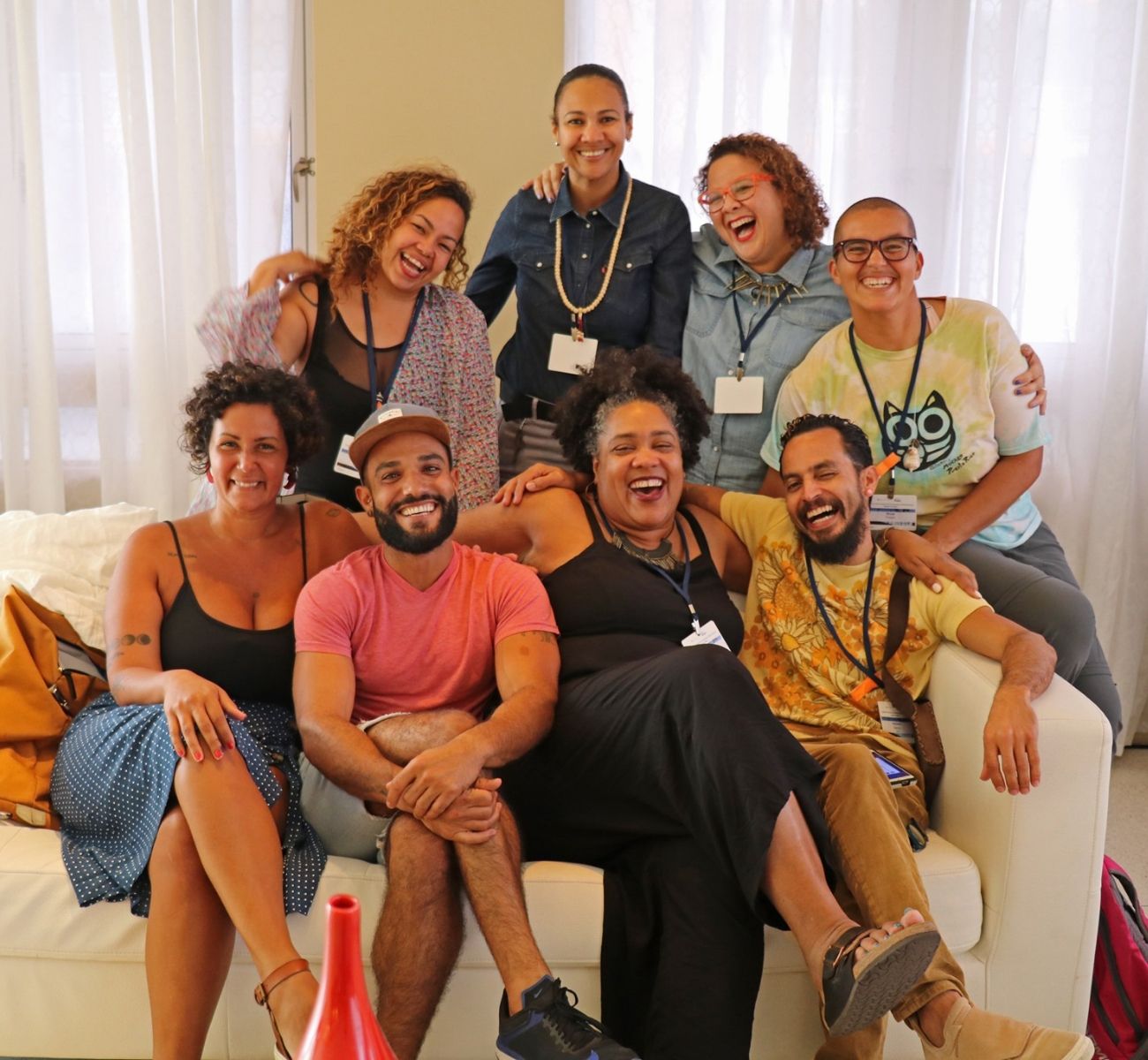
Photo: The convening’s crew of healers; Credit: Amarilis Torres Carrasquillo

Power and Resistance in Puerto Rico

Earlier this summer, we co-hosted a “Freedom from Violence and Criminalization Convening” for U.S. and Puerto Rico-based grantee partners along with Borealis Philanthropy in San Juan, Puerto Rico. The convening was a generative space for participants to engage in political dialogue, radically re-envision what public safety could look like in communities of color and learn more about emerging movements and structural alternatives, including local organizing work in Puerto Rico. We loved hearing from the participants on their experiences at the convening and what it meant for them to be in Puerto Rico, and we’ve captured some of those conversations in this blog post.


Photo: Organizers strategize in Puerto Rico; Credit: Celiany Rivera Velázquez

Understanding Movement Responses To Technology and Criminalization

Our two-day data analysis strategy meeting in San Juan, Puerto Rico delved into the findings of our participatory landscape research which maps trends in digital organizing, security, and technology, including issues of surveillance and the broader criminalization of BIPOC, women, queer, Two-Spirit & trans communities. Discussions centered around the existing political and technological realities shaping the experience of movement organizers in the U.S. and Puerto Rico, and the strategies they employ to survive, organize, and subvert criminalization and surveillance. Our research project is being spearheaded in collaboration with Research Action Design (RAD). Stay tuned for its launch in the Spring of 2020!


Photo: Healing Justice Funder Convening panelists and organizers pose for a group photo; Credit: Simone Williams Photography

Funding Towards Healing and Liberation

On May 16 in New York, Astraea held a Healing Justice Funder Convening. We brought together 60 funders from 30 philanthropic institutions, alongside 15 organizers and healing practitioners, to strategize about how we can bolster our movements by funding healing justice work. At a time when our communities are facing an onslaught of violence and oppression, the convening was a critical opportunity for funders to discuss how healing justice can promote collective safety and build the power and resilience of movements. Catch up on the brilliance participants shared here.


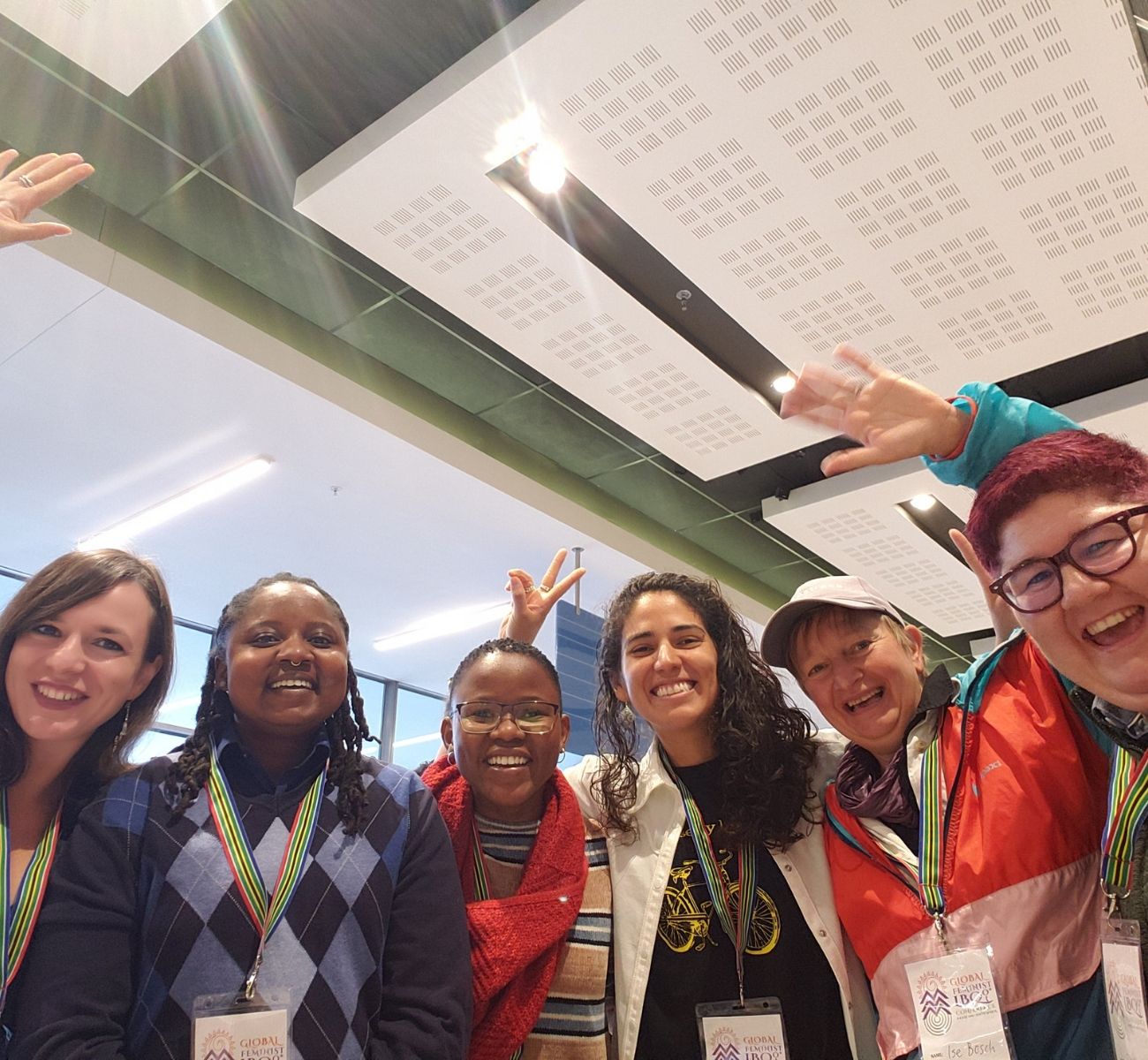
Photo: Astraea Program Officers and Astraea donor Ise Bosch at the Global Feminist LBQ Women’s* Conference; Credit: Astraea archives

Centering Radical LBQ Movement-Building

In July, we attended the first Global Feminist LBQ Women’s* Conference held in Cape Town, South Africa! It was a fantastic opportunity to see the fruits of a conference we have been honored to support, and to connect with 30 of our brilliant grantee partners from around the world. Our Program Officers Mariam, Ruth, Lame, Brenda, and Shaena attended as well as some of our wonderful board members and donors. This year’s key themes were ‘Leading, Healing, Transforming’ and we took part in conversations on issues such as queer feminist leadership and accountability within movements, addressing toxic workplace cultures, and the state of intersex organizing globally, as well as witnessed some incredible trans and non-binary organizing. Mariam presented on a panel “Igniting Resources for LBQ Activism”. We’re excited to be part of this global movement furthering LBQ activism globally.


Photo: Participants at the Africa Regional Intersex Convening; Credit: Africa Intersex Movement

Supporting Pan-African Activism

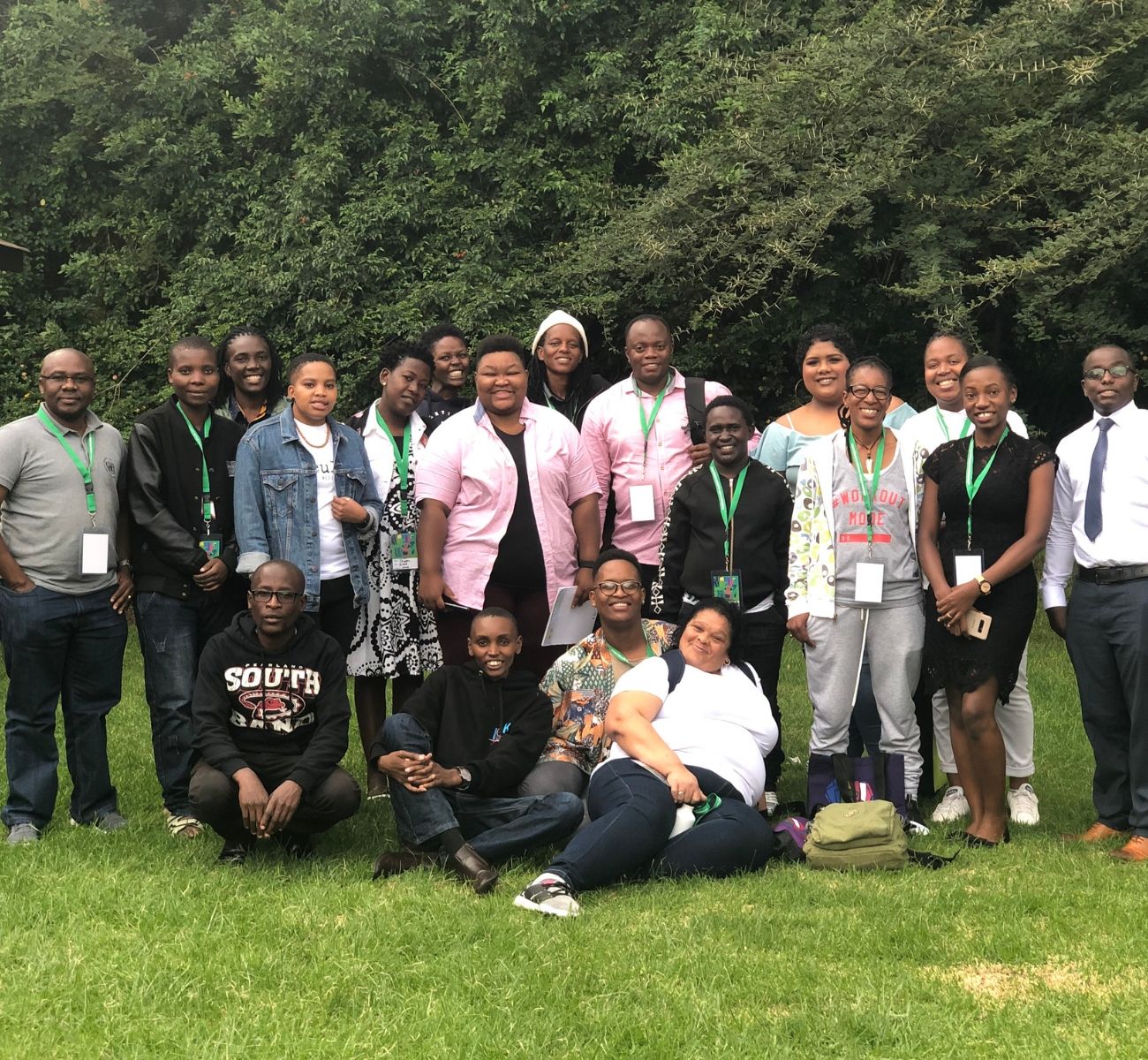
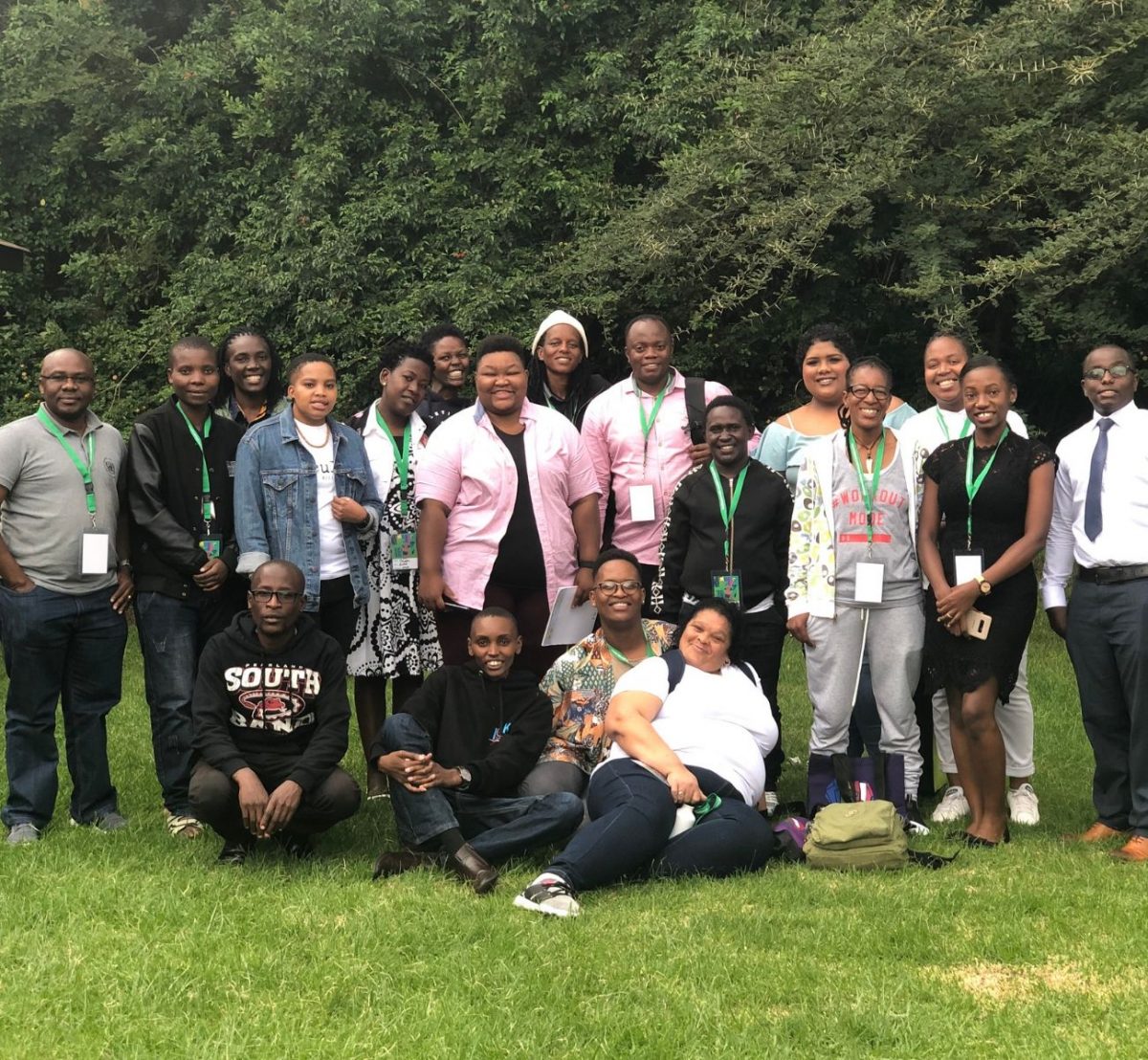
We participated in UHAI-EASHRI’s Changing Faces, Changing Spaces VII, a biennial Pan-African LGBTQI and sex worker convening. Prior to the main conference, Astraea helped to coordinate an Africa Intersex meeting, with a team led entirely by African intersex activists. The meeting resulted in the launch of the first Africa Intersex Regional group, known as the Africa Intersex Movement (AIM). Congratulations to all the African intersex activists who were involved!

Astraea Program Officers Lame and Peter also led a donor-focused healing justice plenary panel along with Urgent Action Fund-Africa and Hivos, and our Intersex Fund Program Officer Ruth facilitated a lively workshop session on the importance of intersectional feminist funding approaches.


Photo: WVL Caribbean Convening participants and organizers; Credit: Astraea archives/MATCH Fund

Strengthening Caribbean Feminist Leadership with the MATCH Fund

The MATCH Fund and Astraea hosted a two day convening to kick-off our new collaboration as part of Women’s Voice and Leadership – Caribbean. We gathered 25 partners and representatives from women’s organizations and LBTQI groups from around the region to develop and expand the thinking around the program and ensure it responds to the priorities of groups in the region. Women’s Voice & Leadership – Caribbean is a five year initiative for the region supported by the Government of Canada through Global Affairs Canada (GAC) to strengthen women’s organizations and movements in about 30 countries around the world. We are so excited to keep strategizing with MATCH and support incredible LBTQI organizing in the Caribbean!


Photo: One of two Astraea t-shirt designs; Artist: Amir Khadar

Astraea Swag for Justice!

To celebrate the radical roots of Pride and our commitment to the sustainability of grassroots movements for justice, Astraea worked with the artist Amir Khadar (who also designed our beautiful Healing Justice report!) to design three new t-shirts (and stickers!) supporting Healing Justice and Queer Liberation. We really love the shirts, and we think you will too, so get yours through this link. All proceeds will support Astraea’s mission to resource LGBTQI grassroots activism in the U.S. and around the world.


Want to support LGBTQI communities globally? Join us!

Donate

Fighting for Freedom in Puerto Rico

In May 2019, we co-hosted a “Freedom from Violence and Criminalization Convening” for U.S. and Puerto Rico-based grantee partners along with Borealis Philanthropy in San Juan, Puerto Rico. We interviewed some of Astraea’s grantee partners in attendance about what it meant for a convening on freedom from violence and criminalization to take place in Puerto Rico.

Photo: The Freedom from Violence and Criminalization organizers and attendees; Credit: Amarilis Torres Carrasquillo

By Brenda Salas Neves (Senior Program Officer) and Mihika Srivastava (Communications Program Associate)

–

Over the last few months, the strength and power of the Puerto Rican movement has gained momentum. In July, widespread protests and massive mobilizations against government corruption, disinvestment in public goods caused by the debt crisis, and the state’s inadequate response to hurricane recovery efforts, led to the resignation of Puerto Rican governor Ricardo Rosello. We at Astraea continue to be in awe and inspired by the resistance and resilience of the communities and organizers in Puerto Rico.  

In May 2019, we co-hosted a “Freedom from Violence and Criminalization Gathering” for U.S. and Puerto Rico-based grantee partners along with Borealis Philanthropy in San Juan, Puerto Rico. The decision to host this convening in Puerto Rico was intentional because we felt it important to recognize movement work on the islands, and to deepen our collective understanding of the work that is happening beyond the U.S. that resists and transforms state violence and hyper-criminalization of our people. Organizing and movement work in Puerto Rico today is building on a long history of resistance, and is deeply rooted in cultural and political traditions against colonization and militarism.

From transformative justice and budget advocacy sessions to breakout sessions led by organizers, the convening offered a generative space for participants to continue building connections and deepening their visions for what safety and justice looks like in communities of color in the U.S and in Puerto Rico. Through cultural programming organized by our Puerto Rican grantee partner Circuito Queer, participants learned about the political, social, and cultural situation on the archipelago, and witnessed some of the incredible cultural tools that Puerto Rican organizers are utilizing to build power. We received opening blessings from a local Taino elder, Kukuya, grounding participants in local healing traditions. Holistic wellness was woven throughout the programming, from sessions led by facilitators, Erica Woodland and Monique Meadow, to healing offerings such as massage, cuping, tarot reading, and acupuncture by local healers and practitioners. These were critical for organizers who often experience burnout and trauma as a result of ongoing state violence and oppression.

We interviewed some of Astraea’s grantee partners in attendance like MediaJustice (California), Law for Black Lives (National), Familia TQLM (California), and CIRQ (Puerto Rico) about what it meant for a convening on freedom from violence and criminalization to take place in Puerto Rico.

Astraea: Celiany, as a Puerto Rican activist who organized much of the local cultural programming for this convening, why was it important for you to connect some of the work here?

Celiany Rivera, CIRQ: A lot of what we’ve been doing at this convening is coordinating the cultural schedule as well as connecting the convening organizers with local Puerto Rican queer and trans healers. For us, it’s been an opportunity to showcase and share the queer and Black-centered art that is happening in Puerto Rico in a de-colonial context. We’ve tried to customize the experience of the participants so that they can get a sense of what some of the struggles are locally. 

One of the events we coordinated that was very special to me was a dinner for participants with 21 activists who work locally on LGBTQ, racial justice, and healing justice issues. Plena Combativa was one of the groups that joined us, and is a Puerto Rican queer women-centred protest music group who performed at the end of the evening. I think this gave folks a perspective of who the people, colors, and flavors are that compose the activism and art happening in Puerto Rico. It was also an opportunity for local organizers who don’t always get to meet outside of organizing spaces to connect without an agenda and just build relationships.

Astraea: Steven and Marbre, what did you know about the Puerto Rican organizing arena before you got here?

Steven Renderos, MediaJustice: I was familiar with the work that the diaspora had done in the U.S. around Puerto Rican independence, but not so much with the work here in Puerto Rico itself. This is actually my first time visiting the island, but I think what I was aware of is that some of the issues that we work on today around surveillance were things that activists here have been dealing with since the Puerto Rican student movement of the 1960s and 1970s, and some of the organizing around those struggles has definitely influenced how we have developed some of our own work around high tech surveillance.

Marbe Stahly-Butts, Law for Black Lives: I had only been here once before on a business trip. I think what became clear to me was that a lot of the forces that we’re fighting against whether in New York City or in the South are at the extreme here in Puerto Rico, especially fights against capitalism and extraction. So I knew the broad strokes of what was happening; for example, the incredible organizing responses to the man made climate disasters that have been happening here. I was also acutely aware of the ways that business interests in the US and abroad are using Puerto Rico as a place to profit in the wake of these disasters.

Astraea: Umi, why did it feel particularly important for you to be at this convening strategizing around freedom from violence in Puerto Rico?

Umí Vera, Familia TQLM: For us it’s really important to connect with some of our coalition partners that are here that we’ve been building with, but also to connect with local community organizers here in Puerto Rico. It’s really important for us to get to share with one another about what our lessons learned in the work we’ve been doing, at both the local and national levels. I’ve been very influenced by a lot of Puerto Rican movement building and artists collectives on the mainland and I’ve heard a lot about the context of colonization on the island from some of our community members that are Puerto Rican, so I was excited to bear witness to that a little more, and see the work that they’ve been building out here. 

Astraea: Marbe, how do you feel like we and CIRQ as the convening organizers brought Puerto Rico into the space and how did that impact your experience?

Marbre: This was one of the most intentional openings around honoring the space we’re in, the land that we stand on, and the history that brought us here, as well as the connections that we all bring from our own lands, and it really set the tone for the convening.

I have been particularly struck by two things: one is the intentionality around language here and making sure that there isn’t a language that feels like it’s dominant language. Our struggles are international, multilingual ones, but we are so often in language silos. I was also struck by the fact that it felt like half the room were folks from Puerto Rico who work here. So often there’s only one person who speaks on behalf of thousands in a community but this felt far more intentional and holistic, where organizers from the mainland and Puerto Rico were equally involved, engaged, and invested.

Astraea: Steven, how has it affected your experience to be here on this colonized land where issues of freedom from violence and criminalization are felt in such a real way?

Steven: You know within MediaJustice we often talk about this concept of targeting universalism, this idea that if we hone in on solutions for the most affected we actually yield greater outcomes for the whole. So thinking about surveillance in the context of a colonized island and solutions around budget advocacy – an area that is becoming increasingly privatized on every level – has been especially poignant here. I think even having gone out in San Juan and met with some of the community groups and seen what their responses have been to some of the challenges that they’ve encountered has been helpful to think about our own tactics. There is a creativity here that emerges from a lack of resources that those of us in the more privileged sectors and geographies need to learn from. 

—

Brief Context on Puerto Rico

Puerto Rico has been part of the U.S.’ colonial project for over 120 years now. Puerto Ricans have no representation in the federal government and are not allowed to vote unless they move to one of the 50 U.S. states. Many Puerto Ricans have been fighting for full independence from the United States, and particularly against the austerity measures which have destroyed the local economy. 

In 2017, Hurricane Maria, a deadly category 5 hurricane, hit the archipelago. Both the U.S. federal government and the government of Puerto Rico were slow in their response to the disaster. Nearly 5,000 people died and over 80% of Puerto Rican households were without electrical power for over 100 days. 

The Freedom from Violence and Criminalization Convening

The convening brought together 52 activists and organizers who are part of 30 organizations that Astraea and Borealis either collectively or respectively fund through Borealis’ “Communities Transforming Policing Fund” and Astraea’s “Freedom from Violence and Criminalization” cohort, within our U.S. Fund. 

These organizations work across the country and in Puerto Rico, their work spanning the effects of criminalization, policing, and state violence on LGBTQI people and People of Color, working towards police reform, dismantling the criminal justice system, visibilizing healing justice strategies, and much more.


Want to stay up-to-date on Astraea updates like the one above? Join us!

Sign up for our newsletter